What Are the Pros and Cons of Using Artificial Tears for Dry Eyes?
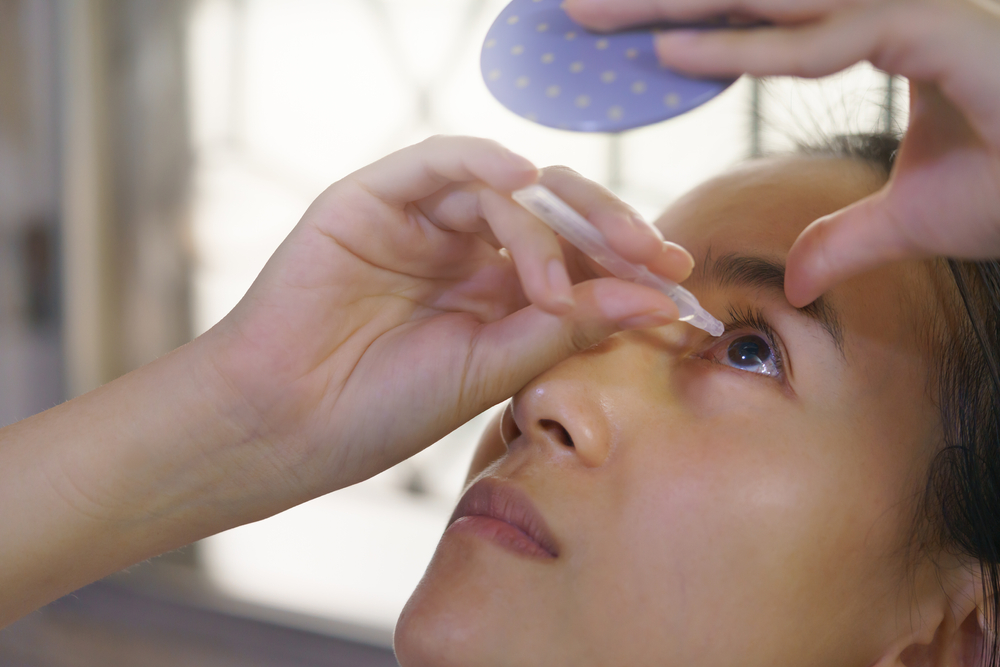
Dry eye is a common condition that can cause discomfort, irritation, blurred vision, and even interfere with daily activities like reading or working on a screen. One of the most common first-line treatments people turn to is artificial tears. While these eye drops can be helpful, they’re not always a complete solution.
What Are Artificial Tears?
Artificial tears are lubricating eye drops designed to supplement your natural tears. They help moisten the surface of the eye, reduce dryness, and improve comfort. These drops come in many forms, including preservative-free options, thicker gels, and ointments designed for nighttime use. Artificial tears are widely available over the counter and are often the first treatment recommended for mild or occasional dry eye symptoms.
The Benefits of Using Artificial Tears
Artificial tears can offer several advantages, especially for those with mild or intermittent dry eye symptoms.
Quick and Convenient Relief: Artificial tears provide fast relief from dryness, burning, or irritation. They’re easy to use, readily available, and can be applied as needed throughout the day.
Improved Comfort and Vision: By lubricating the eye’s surface, artificial tears can help reduce fluctuations in vision caused by dryness and improve overall comfort.
Variety of Options: There are many formulations available, allowing patients to choose drops that best suit their symptoms, whether they need lightweight hydration or longer-lasting moisture.
The Limitations of Artificial Tears
While artificial tears can be helpful, they also have important limitations that patients should understand.
Temporary Symptom Relief: Artificial tears treat the symptoms of dry eye, not the underlying cause. The relief they provide is often short-lived, which is why many people find themselves using drops multiple times a day.
They Do Not Address Meibomian Gland Dysfunction (MGD): One of the most common causes of chronic dry eye is Meibomian Gland Dysfunction (MGD). These glands produce the oil layer of your tears, which prevents tears from evaporating too quickly. Artificial tears do not unclog or restore these glands, meaning the root cause of evaporative dry eye remains untreated.
Overuse Can Be Frustrating: Frequent drop use can become inconvenient and expensive over time. Some drops with preservatives may also cause irritation if used too often.
When Should You See Your Eye Doctor?
If you rely on artificial tears daily or still experience symptoms like burning, gritty sensations, redness, or fluctuating vision, it’s time to schedule a dry eye evaluation. At Clarifeye Total Eye Care, your eye doctor can determine the exact cause of your dry eye and recommend personalized treatments that go beyond artificial tears. Advanced options may include targeted therapies for MGD, prescription drops, or in-office treatment designed to improve tear quality and long-term comfort.
Schedule Your Dry Eye Evaluation Today
Artificial tears can be an effective and convenient way to manage mild dry eye symptoms, but they’re not a cure-all. While they provide temporary relief, they don’t address underlying conditions like Meibomian Gland Dysfunction that often cause chronic dry eye.
If dry eye symptoms are affecting your comfort or quality of life, contact Clarifeye Total Eye Care to schedule a dry eye evaluation and discover personalized treatment options designed to provide lasting relief. Visit our office in Shenandoah, Texas, or call (936) 267-0190 to book an appointment today.
Helpful Articles
article_category: products
article_category: psychiatry
article_category: faqs
article_category: cats
article_category: general
article_category: services
article_category: technology
article_category: dogs
article_category: restorative
article_category: vision therapy
article_category: contact lenses
article_category: health
article_category: conditions
article_category: eye surgery co-management
article_category: exotic
article_category: cosmetic
article_category: surgical procedures
article_category: aesthetics
article_category: preventative
article_category: ocular disease management
article_category: eyeglasses
article_category: eye health
article_category: large animal
[]
article_category: psychiatry
article_category: faqs
article_category: cats
article_category: general
article_category: services
article_category: technology
article_category: dogs
article_category: restorative
article_category: vision therapy
article_category: contact lenses
article_category: health
article_category: conditions
article_category: eye surgery co-management
article_category: exotic
article_category: cosmetic
article_category: surgical procedures
article_category: aesthetics
article_category: preventative
article_category: ocular disease management
article_category: eyeglasses
article_category: eye health
article_category: large animal
[]
Flowbite is an open-source library of interactive components built on top of Tailwind CSS including buttons, dropdowns, modals, navbars, and more.
Check out this guide to learn how to get started and start developing websites even faster with components on top of Tailwind CSS.
All Eye Care Services
Find personalized eye care excellence with our comprehensive services. From eye exams to advanced diagnostics, trust us for all your vision needs.

Keep In Touch
For non-urgent questions or to learn more about our services, contact us today!
© 2026 Clarifeye Total Eye Care. All rights Reserved - Accessibility Statement - Privacy Policy - Sitemap
Managed and Designed by 