
First-Time Contact Lenses for Teens: Building Safe Daily Habits
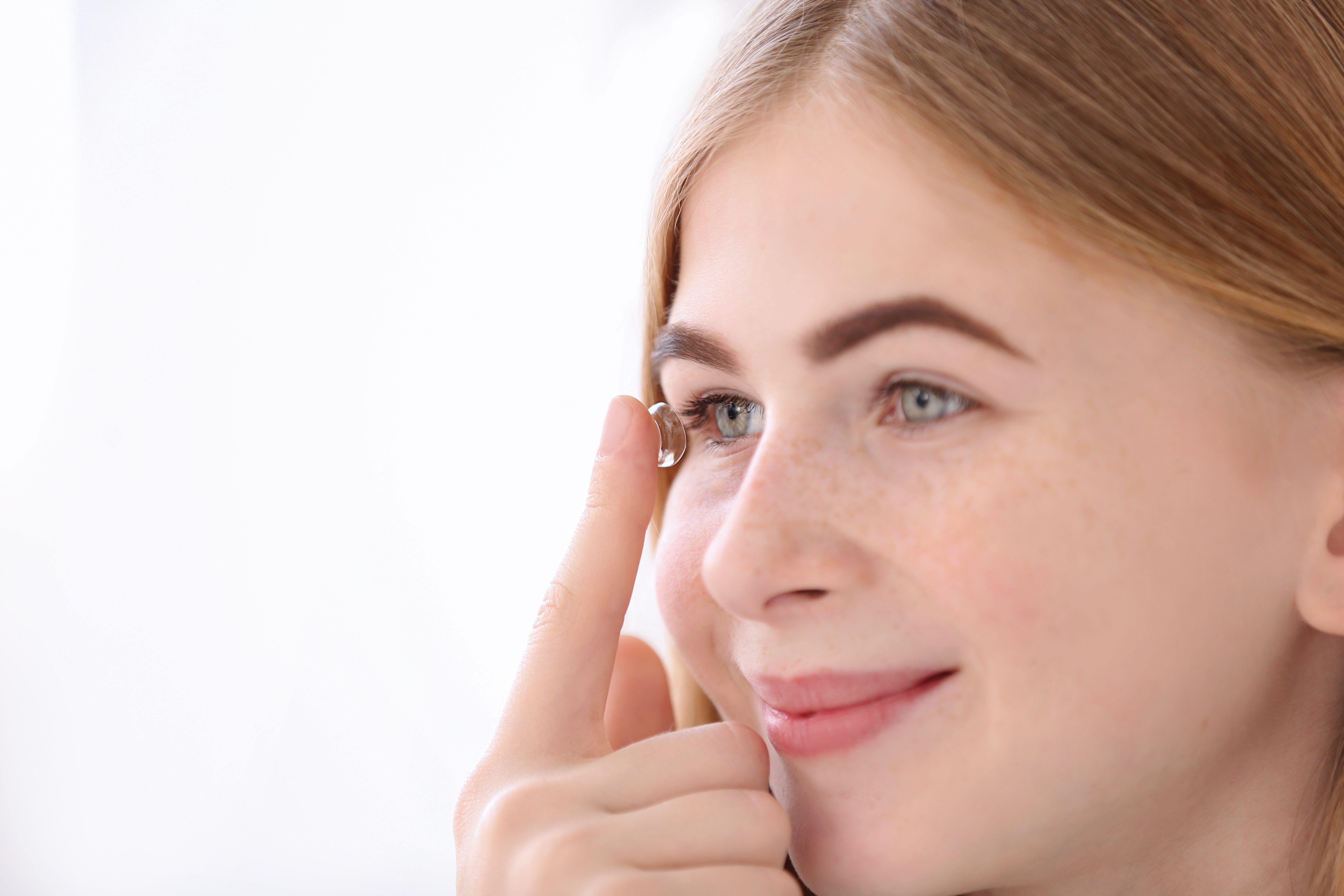
Getting contact lenses for the first time can be exciting for a teenager. Contacts can provide freedom from glasses during school, sports, activities, and everyday life. However, successful contact lens wear depends on more than learning how to put lenses in and take them out. Safe daily habits are essential for protecting the eyes.
At ClarifEye Total Eye Care in Shenandoah, we provide contact lens exams and help teens learn how to wear and care for their lenses responsibly.
Is Your Teen Ready for Contact Lenses?
There is no single age when every teenager becomes ready for contacts. Maturity and responsibility matter more than reaching a specific birthday.
A teen should be able to follow instructions, wash their hands consistently, keep track of replacement schedules, and speak up when a lens feels uncomfortable. Parents can help reinforce these habits, especially during the first few weeks.
A contact lens exam also allows us to determine whether the prescription, eye health, and tear film are appropriate for contact lens wear.
What Should Teens Do Before Handling Contacts?
Clean hands are one of the most important parts of contact lens safety. Teens should wash their hands thoroughly with soap and water and dry them completely before touching their lenses or eyes.
Good daily habits include:
Wash and dry hands before inserting or removing contacts
Follow the exact replacement schedule prescribed
Never share contact lenses with another person
Keep backup glasses available
Remove lenses if they become painful, unusually red, or uncomfortable
Follow all cleaning and storage instructions for reusable lenses
Daily disposable contacts can simplify care for some Shenandoah teens because a fresh pair is used each day and discarded after removal.
Keep Contact Lenses Away From Water
Contact lenses should not be worn while swimming, showering, or using a hot tub. Water can contain microorganisms that may become trapped between the lens and the eye and increase the risk of infection.
Reusable contacts should also never be rinsed or stored in tap water.
For teens involved in swimming or water sports, glasses or prescription goggles may be a safer option while in the water. Contacts can be inserted afterward with freshly washed and dried hands.
Is It Safe to Sleep in Contact Lenses?
Teens should not sleep in standard daytime contacts. Sleeping in lenses that are not specifically prescribed for overnight wear increases the risk of eye infection.
This includes falling asleep during naps. If your teen regularly becomes tired after school or during travel, carrying a contact lens case or backup glasses can help them avoid accidentally sleeping in their lenses.
At ClarifEye Total Eye Care, we review the specific wearing schedule for each lens so teens understand exactly when contacts should be removed.
What if a Contact Lens Starts Hurting?
Contact lenses should not cause significant pain. If a lens begins burning, stinging, or causing noticeable redness, remove it rather than trying to tolerate the discomfort.
Persistent pain, discharge, strong light sensitivity, or sudden blurry vision should be evaluated promptly. Teens should also understand that putting a contact back in after it has caused significant irritation is not a good idea until an eye doctor has confirmed that the eye is healthy.
Why Follow-Up Exams Matter
A contact lens prescription involves more than vision correction. During follow-up visits, we can evaluate how the lenses fit, check the health of the cornea, and discuss any dryness or comfort concerns.
A teen's prescription and eyes can change over time, so contact lenses should not simply be reordered indefinitely without appropriate eye care.
If your teen is ready to explore contact lenses, contact ClarifEye Total Eye Care at 110 Vision Park Blvd., Suite 210, Shenandoah, TX 77384 by calling (936) 267-0190 to schedule a contact lens exam and help them build safe habits from the start.
Helpful Articles
article_category: restorative
article_category: vision therapy
article_category: contact lenses
article_category: health
article_category: conditions
article_category: eye surgery co-management
article_category: exotic
article_category: cosmetic
article_category: products
article_category: psychiatry
article_category: faqs
article_category: cats
article_category: general
article_category: services
article_category: technology
article_category: dogs
article_category: surgical procedures
article_category: aesthetics
article_category: preventative
article_category: ocular disease management
article_category: eyeglasses
article_category: eye health
article_category: large animal
[]
Flowbite is an open-source library of interactive components built on top of Tailwind CSS including buttons, dropdowns, modals, navbars, and more.
Check out this guide to learn how to get started and start developing websites even faster with components on top of Tailwind CSS.
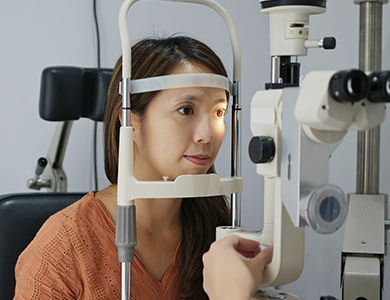
All Eye Care Services
Find personalized eye care excellence with our comprehensive services. From eye exams to advanced diagnostics, trust us for all your vision needs.

Keep In Touch
For non-urgent questions or to learn more about our services, contact us today!
© 2026 Clarifeye Total Eye Care. All rights Reserved - Accessibility Statement - Privacy Policy - Sitemap
Managed and Designed by 